France rarely enters a World Cup cycle short on talent. The real competitive advantage is not just having stars, but having the right stars who can decide games in multiple ways: scoring, creating, controlling tempo, defending big spaces, and handling high-pressure moments.
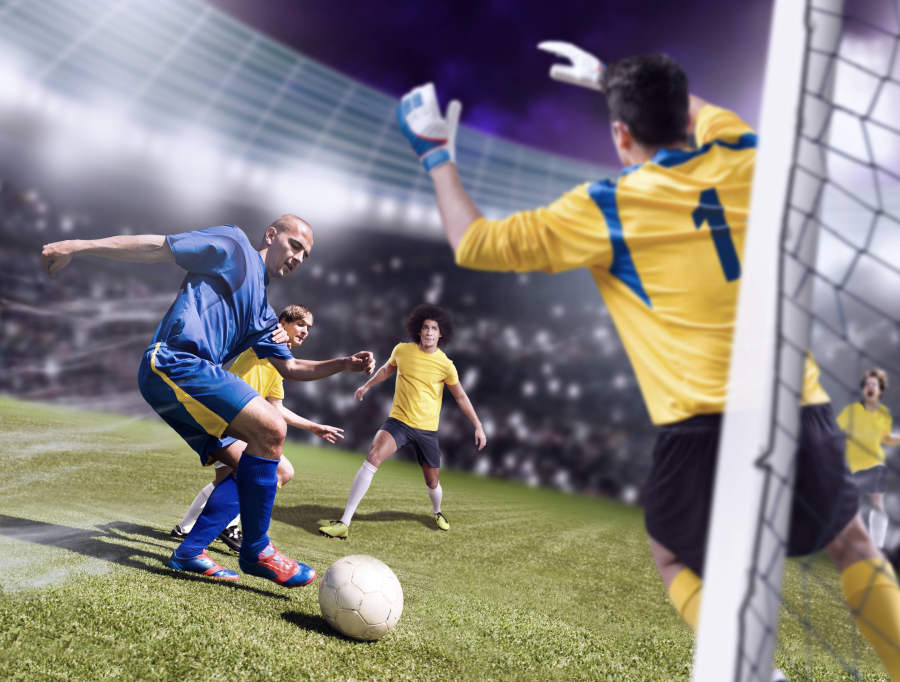
Looking ahead to the 2026 World Cup (hosted across the United States, Canada, and Mexico), the French squad’s ceiling will be shaped by a handful of players who combine elite ability with tactical versatility. Below are five standouts who, based on their proven level and influence up to the most recent seasons, are exceptionally well-positioned to be France’s most important pillars in 2026.
How this list is chosen (and why it matters for 2026)
International football rewards impact more than volume. A player can be world-class for a club, yet not translate the same value to a national team if the role is unclear or the tactical fit is awkward. For France in 2026, the best players are the ones most likely to offer:
- Match-winning output (goals, assists, chance creation, shot-stopping, duel dominance)
- Reliability under pressure (World Cup knockout-stage temperament)
- Tactical flexibility (able to excel in more than one system)
- Complementarity (their strengths make teammates better)
- Physical readiness for a tournament format (recovery, intensity, repeat efforts)
Importantly, this is not a predicted squad list. It’s a focused look at the five players who most credibly project as France’s highest-value difference-makers for a 2026 World Cup run.
At a glance: France’s 5 key players for 2026
| Player | Primary role | What they give France | Why it can win tournament matches |
|---|---|---|---|
| Kylian Mbappé | Forward (wide / central) | Elite goals, transition threat, gravity that opens space | One action can flip a knockout game |
| Olise | Second striker / creator | Link play, chance creation, pressing IQ, leadership | Controls the “problem-solving” moments |
| Aurélien Tchouaméni | Defensive midfielder | Ball-winning, structure, coverage, buildup stability | Lets attackers stay aggressive without losing balance |
| William Saliba | Centre-back | 1v1 defending, pace in space, calm progression | Raises France’s defensive ceiling versus elite attacks |
| Mike Maignan | Goalkeeper | Shot-stopping, command, distribution, big-game presence | Goalkeepers decide tournaments with a few saves |
1) Kylian Mbappé: France’s ultimate game-breaker
If you build a World Cup plan around a single player, you want someone who can decide a match even when the team is not at its best.Kylian Mbappé fits that profile as well as anyone in world football.
What makes Mbappé so valuable in a World Cup setting
- Explosiveness in transition: Tournament football often turns into “moments” rather than sustained dominance. Mbappé’s pace and timing make him a constant threat the moment France win the ball.
- High-volume goal threat: He has already delivered on the biggest stages, including playing a central role in France’s 2018 World Cup win and starring in the 2022 World Cup, where he finished as the tournament’s top scorer.
- Tactical flexibility: He can start wide and attack diagonally, or play closer to goal depending on the opponent and the midfield’s profile.
The benefit to the whole team
Mbappé’s presence changes how opponents defend. Back lines drop deeper, fullbacks hesitate to step forward, and midfielders track runners more conservatively. That “gravity” can create extra space for France’s creators and midfielders to operate, which is exactly what you want in knockout matches where chances are limited.
Why he can define France’s 2026 ceiling
In a tight quarter-final or semi-final, the margin is often one sprint, one cutback, one penalty, one burst in behind. Mbappé gives France a reliable path to that decisive action, even against elite defenses that limit everything else.
2) Olise: the connector who makes stars function
Teams with superstars still need an organizer of the “in-between” phases: when the ball moves from defense to midfield, when pressure needs to be bypassed, and when the final pass must arrive at the right time.Antoine Griezmann has repeatedly shown that he can be that connector for France.
What Griezmann brings at his best
- Chance creation and timing: He excels at finding pockets of space, receiving under pressure, and releasing runners quickly.
- Work rate and defensive intelligence: Griezmann has often been a high-effort presser and a smart positional defender, which helps France stay compact between lines.
- Experience in elite international moments: He was a key figure in France’s 2018 World Cup triumph and played a major creative role during France’s run to the 2022 final.
The benefit to France’s attacking balance
France’s best versions typically combine direct threats (like Mbappé’s runs) with a player who can connect possession, draw fouls, and keep attacks alive. Griezmann can help France avoid the trap of becoming only a transition team. That matters because tournament opponents adjust quickly: once the counter is managed, you still need a creative solution.
How he wins you tournament minutes
World Cup matches regularly feature chaotic periods: an opponent scores, tempo spikes, or midfield control is lost. A player like Griezmann can slow things down, make intelligent decisions, and keep France’s best attackers involved without forcing low-percentage plays.
3) Aurélien Tchouaméni: the stabilizer France can build around
To win a World Cup, it’s not enough to have star forwards. You also need the player who protects the team’s structure when matches get stretched.Aurélien Tchouaméni is one of the clearest answers in France’s midfield profile: powerful, tactically aware, and capable of doing the “unseen” work that keeps a tournament run stable.
What Tchouaméni gives France
- Defensive coverage: He can shield the center, cover wide zones when fullbacks push up, and disrupt counterattacks early.
- Ball-winning plus composure: Winning the ball is only half the job. Resetting possession cleanly helps France control the next phase rather than immediately defending again.
- Physical presence: World Cup football can be intense and direct, especially in knockout rounds. A strong, mobile defensive midfielder raises the team’s floor.
The benefit to France’s attacking freedom
When France have a reliable midfield anchor, their creative players can take more risks. That can mean:
- fullbacks pushing higher without fear of immediate counters,
- interiors arriving in the box more aggressively,
- attackers staying higher to threaten behind the line.
This is how you turn a talented squad into a team that can sustain pressure and still survive transitions.
Why he matters specifically in 2026
The 2026 tournament format increases the number of matches required to win it all. Depth matters, but so does having a midfield cornerstone who can deliver consistent structure across a long run. A top defensive midfielder is often the difference between “beautiful football” and “winning football.”
4) William Saliba: the defender who raises the difficulty level for opponents
Elite international attackers can punish small mistakes. Defenders who can handle big spaces, defend 1v1, and stay calm in possession become priceless.William Saliba is widely regarded as one of the standout modern centre-backs because he blends physical tools with composure.
What Saliba offers at the highest level
- 1v1 reliability: In tournament football, situations often break structure. A defender who can win direct duels reduces the need for constant double coverage.
- Pace and recovery: France often want to play with ambition. When the team pushes higher, recovery speed becomes a safety net.
- Composure in buildup: When opponents press, a calm centre-back who can pass through lines helps France exit pressure without panic clearances.
The benefit to France’s overall tactical options
With a defender like Saliba, France can more credibly:
- hold a higher defensive line,
- commit more numbers forward,
- press more aggressively after losing the ball.
Those are not just stylistic choices. They are practical ways to create more chances and reduce time spent defending, which is often the winning recipe in a World Cup.
Why he’s built for knockout football
Knockout games reward defenders who limit “big chances,” not just total shots. A centre-back who can stop breakaways, block central lanes, and stay disciplined under pressure can quietly become as important as a goal scorer.
5) Mike Maignan: a goalkeeper who can swing a tournament
When margins are thin, the goalkeeper becomes a headline-maker. A single save can be worth more than a dozen good passing sequences.Mike Maignan has built a reputation as an elite-level goalkeeper, combining shot-stopping with command and distribution.
Why Maignan is a major advantage
- High-end shot-stopping: In knockout rounds, opponents will eventually create a few premium chances. Converting one of those into a save changes the entire match story.
- Authority in the box: Dealing with crosses, set pieces, and second balls is crucial in international football, where teams often lean on dead-ball moments.
- Distribution: Quick, accurate distribution helps France launch counters and escape pressure, turning defense into immediate attack.
The benefit to the team’s psychology
A top goalkeeper gives the whole squad confidence to play their game. Defenders can step with more conviction, midfielders can take more calculated risks, and attackers can stay aggressive because the team trusts that one mistake won’t automatically become a goal conceded.
Why goalkeepers are World Cup multipliers
World Cups frequently feature matches decided by one goal or a penalty shootout. A goalkeeper who can deliver in those moments is not just a last line of defense. He becomes a competitive edge.
How these five pieces fit together
One of the most persuasive reasons to highlight these particular players is how well their strengths connect.
A balanced spine wins tournaments
France’s tournament-winning blueprint historically leans on a strong spine: a match-winner up front, a controller/connector behind, a stabilizer in midfield, a top centre-back, and a goalkeeper who can deliver “extra” saves. This list maps directly onto that structure:
- Mbappé provides the decisive edge in the final third.
- Griezmann connects phases and manufactures high-quality attacks.
- Tchouaméni protects the team’s shape and enables risk-taking.
- Saliba reduces opponent chances and supports buildup.
- Maignan closes the door when the opponent finally breaks through.
Multiple ways to win, not just one plan
The best World Cup teams can win in different scripts:
- Winning while dominating possession
- Winning while defending deep and countering
- Winning after conceding first
- Winning when the match becomes physical and chaotic
This core five increases France’s ability to handle every script. That versatility is a major benefit in a tournament where opponents vary widely and preparation time is short.
Honourable mentions (France’s depth is a competitive weapon)
Choosing only five in a country with France’s player pool is naturally limiting. Several other stars can absolutely define matches at World Cup level, depending on form, health, and tactical choices.
- Ousmane Dembélé: offers elite 1v1 dribbling and chance creation from wide areas.
- Eduardo Camavinga: provides midfield dynamism and versatility across multiple roles.
- Jules Koundé: strong in duels and valuable across the back line, including at fullback.
- Dayot Upamecano: powerful, athletic defending that can dominate certain matchups.
- Théo Hernandez: a high-impact attacking fullback profile that can tilt the field.
The key takeaway is positive for France: even outside the top five, the talent level remains high enough to change a tournament.
What success can look like for France in 2026
France enter most major tournaments with a realistic goal of reaching the final stages. With a core built around a proven match-winner, an elite connector, a stabilizing midfielder, a modern top centre-back, and a decisive goalkeeper, the upside is clear:
- More control against organized opponents
- More resilience when matches become chaotic
- More efficiency in the moments that decide knockout rounds
In a World Cup, that blend is exactly what turns talent into trophies. If these five perform to their best levels at the right time, France’s path to a deep 2026 run becomes not just plausible, but powerfully persuasive.
Final recap: the 5 best players for France’s 2026 World Cup push
- Kylian Mbappé (forward): the game-breaker who can decide any match.
- Antoine Griezmann (creator): the connector who makes the attack coherent and dangerous.
- Aurélien Tchouaméni (midfield anchor): the stabilizer who protects structure and enables freedom.
- William Saliba (centre-back): the modern defender who expands tactical options.
- Mike Maignan (goalkeeper): the difference-maker who can win tight knockout moments.
That combination gives France a balanced, high-ceiling foundation: explosive in attack, intelligent in buildup, and reliable in the defensive moments that decide championships.
